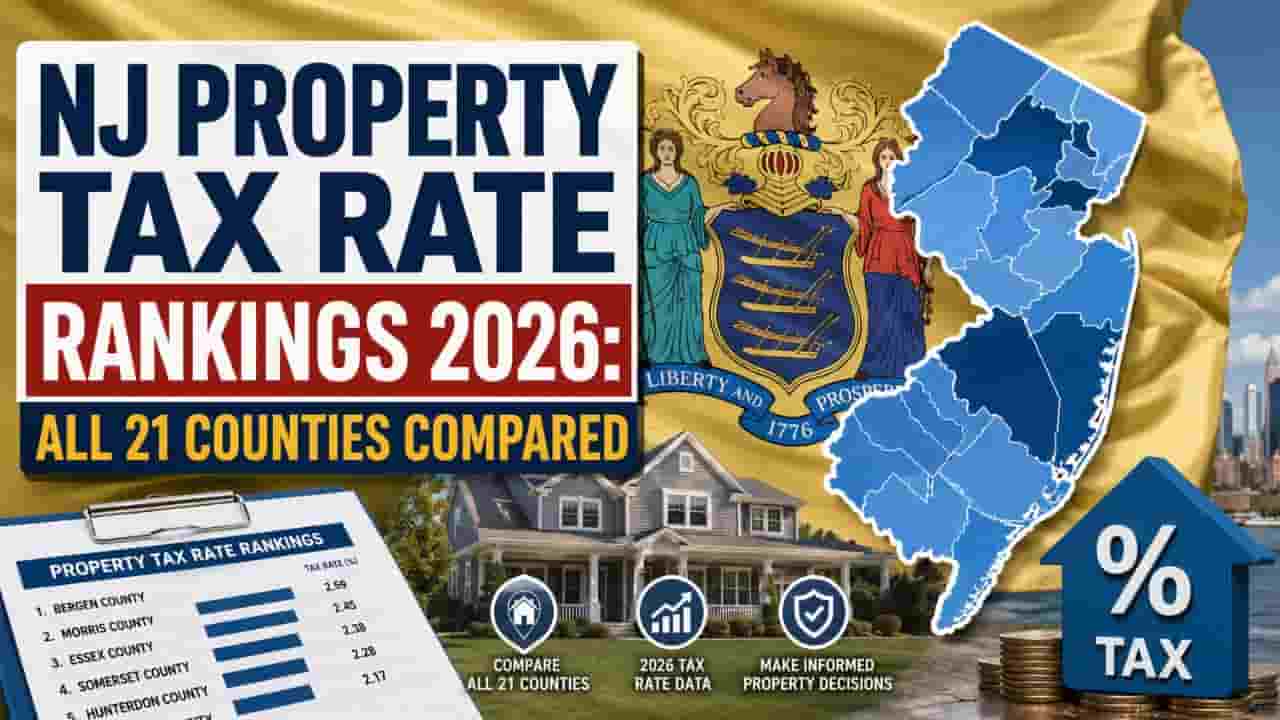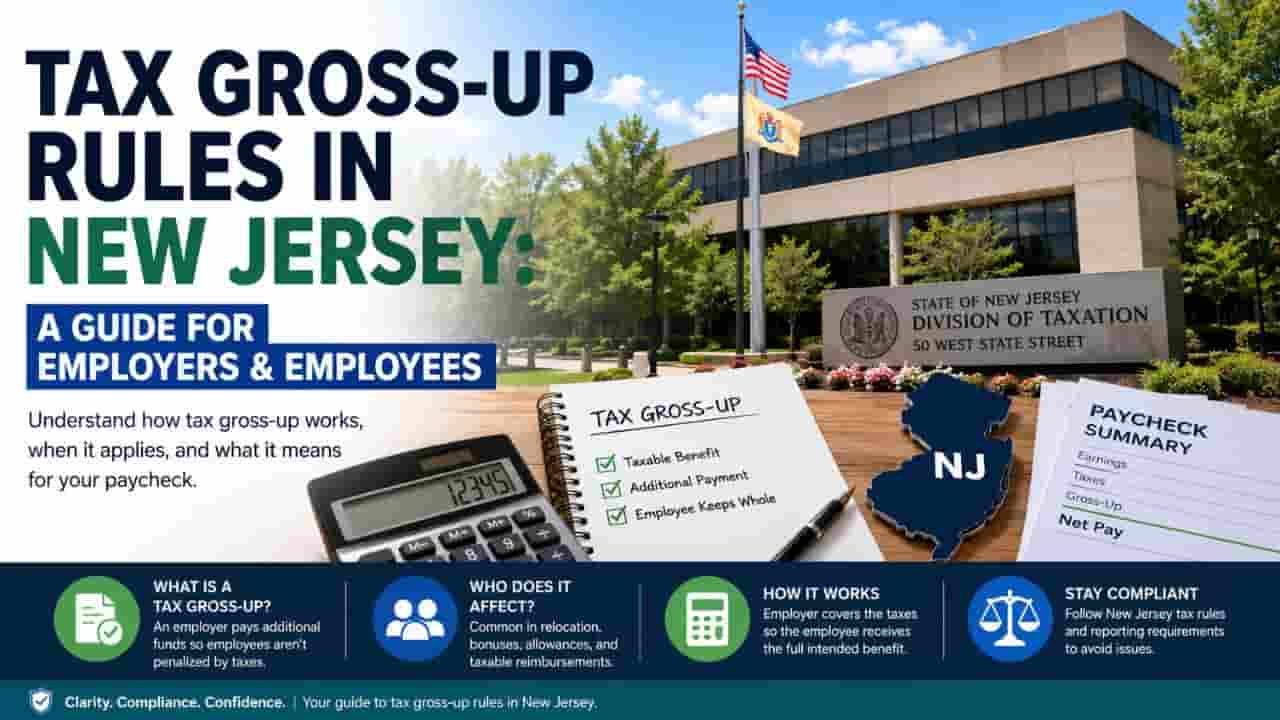
Investing in New Jersey real estate offers lucrative opportunities, but the state’s property tax landscape, the highest in the nation requires a sophisticated analytical approach. For a 2026 investor, the difference between a “good deal” and a “money pit” often lies in the precision of your Return on Investment (ROI) calculations regarding tax assessments. This professional guide provides a technical breakdown of how NJ property taxes impact rental income, the nuances of landlord tax obligations, and a step by step framework for protecting your margins.

The Impact of Tax Assessments on Investment ROI
In New Jersey, property taxes are not static; they are dynamic expenses that can significantly erode your Cash on Cash Return if not projected accurately.
The “Assessment to Market” Gap
New Jersey uses the MOD-IV system to manage property assessments. Investors must distinguish between the Assessed Value (set by the local assessor) and the True Market Value. In 2026, many municipalities are undergoing “Revaluations,” which can cause a sudden spike in taxes if a property was previously under assessed.
2026 NJ Property Tax Impact Table
| Metric | Residential (1 to 4 Units) | Commercial/Multi Family (5+) |
| Average Effective Rate | 2.23% | 2.5% – 3.1% (Varies by Zone) |
| Primary Tax Form | NJ-1040 Schedule C/E | NJ-CBT (Corporate Business Tax) |
| Appeal Threshold | Chapter 123 Ratio | Income/Expense Analysis |
Step by Step Guide, Calculating Your Net ROI
To determine the true profitability of a Jersey property, you must move beyond the “1% Rule” and use a Tax Adjusted ROI Formula.
Step 1. Determine the Effective Tax Rate (ETR)
Don’t rely on the current owner’s tax bill. Calculate the Effective Tax Rate by dividing the total property tax by the purchase price. In high tax hubs like Summit or Morristown, this could exceed $24,000 annually on a $1M asset.
Step 2. Calculate Net Operating Income (NOI)
Your NOI is your Gross Rental Income minus all operating expenses except mortgage interest.
Formula. $Gross Rent – (Maintenance + Vacancy + Insurance + Property Taxes) = NOI$
Step 3. Factor in Landlord Tax Obligations
New Jersey landlords must account for specific state level obligations.
- Income Tax.
Rental profit is taxed as ordinary income. - Property Tax Deduction.
Investors can deduct property taxes on their federal returns (subject to SALT caps) and state returns, with 2026 legislation increasing some caps to $25,000.
Landlord Strategies to Mitigate Tax Burdens
High taxes in the Garden State require active management. Professional investors use these two primary levers to protect their ROI.
1. Challenging the Assessment (The Appeal)
If your property is assessed at more than 100% of its market value, or if the Chapter 123 Ratio in your town is skewed, you have a legal right to appeal.
- Deadline. Most appeals must be filed by April 1st (or May 1st in revaluation years).
- Criteria. You must prove that similar properties (comps) are selling for less than your assessed value.
2. The Graduated Percent Fee (GPF) Consideration
If you are selling an investment property for over $1,000,000 in 2026, the 1% “Mansion Tax” (now the Graduated Percent Fee) is now a seller side obligation. This must be factored into your “Exit Strategy” ROI.
ROI Case Study, Jersey City vs Cape May
| Location | Purchase Price | Est. Annual Tax | Est. Net ROI (Cap Rate) |
| Jersey City (Urban) | $800,000 | $17,840 | 5.4% |
| Cape May (Shore) | $800,000 | $7,200 | 7.1% |
Note. Shore properties often have lower effective tax rates but higher insurance costs, which balances the ROI.
Common Investor Pitfalls in New Jersey
- Ignoring Revaluation Cycles
If a town hasn’t revalued in 10 years, a sale will likely trigger a “Spot Assessment” or a town wide update, potentially doubling your tax bill. - Underestimating “Added Assessments”
Renovating a rental unit to increase rent will increase the property value, leading to an “Added Assessment” that can eat your new profit margins. - Miscategorizing Expenses
Ensure you distinguish between Repairs (deductible in year one) and Capital Improvements (depreciated over 27.5 years).
Summary, The Investor’s Bottom Line
In 2026, New Jersey real estate remains a powerful wealth building tool, provided you respect the math. By focusing on the Effective Tax Rate, utilizing the PAS-1 system for combined credits where applicable, and actively appealing unfair assessments, you can maintain a competitive ROI.
Conclusion
Successful NJ real estate investing in 2026 requires a deep understanding of tax adjusted ROI. By accounting for Effective Tax Rates, leveraging the $25,000 state deduction, and monitoring revaluation cycles, investors can protect their margins. Always factor the Graduated Percent Fee into your exit strategy to ensure your long term wealth goals remain on track.
FAQs
Can I pass property tax increases directly to my tenants?
In non rent controlled buildings, you can adjust rent at lease renewal to cover tax hikes. However, in cities like Hoboken or Newark, rent control laws may limit how much of a tax surcharge you can pass through.
Is property tax higher for investment properties than primary residences?
How does the 2026 Graduated Percent Fee affect my exit ROI?
If selling for over $1M, you must subtract the tiered GPF (1% to 3.5%) from your net proceeds. This is a 2026 mandatory seller side tax.
Are property tax appeals worth it for commercial landlords?
Absolutely. For commercial assets, a successful appeal can lower operating expenses, immediately increasing the property’s Cap Rate and market valuation.
What is the best NJ county for low tax real estate investing?
Historically, Cape May and Ocean Counties offer lower effective tax rates compared to the “Gold Coast” urban centers, though rental demand and property values vary.