Property taxes in New Jersey are among the highest in the United States, but homeowners and eligible residents have multiple legal ways to reduce their tax burden. By leveraging state relief programs, filing appeals, and claiming available deductions, you can significantly lower your annual property tax bill across all counties.
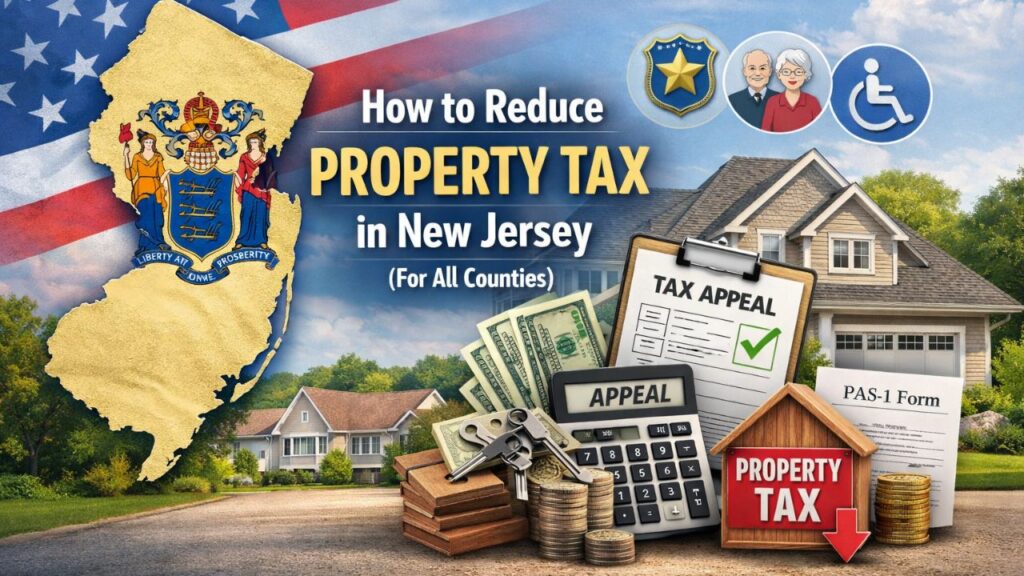
Understanding Property Tax Reduction in New Jersey
Reducing property tax in New Jersey involves a combination of relief programs, exemptions, and assessment corrections. The state offers financial assistance programs for seniors, disabled individuals, veterans, and homeowners as well as opportunities to challenge inaccurate property valuations. Taking advantage of these options requires awareness of eligibility requirements and timely applications. Many residents miss savings simply because they are unaware of available programs.
Key Property Tax Relief Programs in New Jersey
New Jersey provides several official programs designed to reduce property tax obligations. These programs target different groups, including seniors, disabled individuals, homeowners, renters, and veterans.
Major Relief Programs Overview
| Program Name | Eligibility | Benefit |
|---|---|---|
| Stay NJ Program | Age 65+, income up to $500,000 | Reduces property tax up to 50%, max $6,500 |
| Senior Freeze (PTR) | Seniors & disabled persons | Reimburses property tax increases |
| ANCHOR Program | Homeowners & renters | Annual property tax relief payments |
| Veterans Deduction | Qualified veterans or spouses | $250 annual deduction |
| Disabled Persons Deduction | Qualified disabled individuals | $250 annual deduction |
| Disabled Veterans Exemption | Permanently disabled veterans | Full property tax exemption |
Stay NJ Property Tax Program
The Stay NJ program is designed to provide substantial relief to senior residents.
Key Features
- Available for residents aged 65 and older
- Income eligibility up to $500,000
- Can reduce property tax bills by up to 50%
- Maximum benefit capped at $6,500 annually
This program is particularly beneficial for seniors with fixed or limited retirement income who still own their primary residence.
Senior Freeze (Property Tax Reimbursement)
The Senior Freeze program reimburses eligible seniors and disabled individuals for increases in their property tax bills over time.
How It Works
- Locks in your property tax amount at a base year
- Reimburses any increase paid beyond that base
- Requires annual application and eligibility verification
This program is ideal for long term homeowners who have seen consistent increases in property taxes.
ANCHOR Property Tax Relief Program
The ANCHOR (Affordable New Jersey Communities for Homeowners and Renters) program offers direct financial relief.
Benefits
- Available to both homeowners and renters
- Provides annual payments to offset property taxes
- Income based eligibility requirements
ANCHOR is one of the most widely used relief programs and does not require property ownership for renters.
Veterans and Disabled Property Tax Benefits
New Jersey provides targeted deductions and exemptions for veterans and disabled residents.
Available Benefits
| Benefit Type | Description | Annual Savings |
|---|---|---|
| Veterans Deduction | For qualified veterans or surviving spouses | $250 |
| Disabled Persons Deduction | For eligible disabled individuals | $250 |
| Disabled Veterans Exemption | Full exemption for permanently disabled veterans | Full property tax exemption |
These benefits recognize service and disability by reducing or eliminating property tax obligations.
How to Lower Your Property Tax Assessment
In addition to relief programs, homeowners can reduce taxes by ensuring their property is not over assessed.
Steps to Reduce Assessment
- Review your property tax card for errors
- Verify details such as square footage, number of rooms, and property features
- Compare your assessment with similar properties in your area
- Identify discrepancies that may inflate your assessed value
Filing a Property Tax Appeal in New Jersey
If your property is overvalued, you have the legal right to file a tax appeal.
When to File an Appeal
- Your assessed value is higher than market value
- Comparable properties are taxed lower
- Errors exist in your property record
Appeal Process Overview
| Step | Description |
|---|---|
| Review Assessment | Check property valuation records |
| Gather Evidence | Collect comparable sales data |
| File Appeal | Submit with county board of taxation |
| Attend Hearing | Present your case before officials |
| Receive Decision | Adjustment if appeal is successful |
Filing an appeal can lead to long term savings if your property is consistently over assessed.
Applying for Property Tax Exemptions and Deductions
New Jersey allows residents to apply for deductions through official forms such as PAS-1 and PD5.
Common Application Methods
- Submit PAS-1 form for multiple relief programs (especially seniors/disabled)
- Use PD5 form for deductions like veteran or senior citizen benefits
- Apply through your local tax collector’s office
These forms simplify the process of claiming multiple benefits at once.
Utilizing Property Tax Abatements
Some municipalities in New Jersey offer abatements to reduce tax burdens on property improvements.
Key Points
- Typically available for new construction or renovations
- Can reduce taxable value of improvements up to $15,000
- May last up to 5 years depending on local policies
Abatements encourage development while easing tax pressure on homeowners.
Combining Multiple Tax Relief Strategies
One of the most effective ways to reduce property tax in New Jersey is to combine multiple programs and strategies.
Example Strategy
- Apply for ANCHOR or Stay NJ benefits
- Claim veteran or disability deductions if eligible
- File Senior Freeze if applicable
- Review and appeal property assessment if needed
- Check for local abatements
By stacking eligible benefits, homeowners can significantly reduce their total tax liability.
Tips to Maximize Property Tax Savings
- Apply early to avoid missing deadlines
- Keep documentation updated for eligibility verification
- Regularly review property records for accuracy
- Compare your property with similar homes in your area
- Consult local tax offices for municipality specific programs
Staying proactive ensures you don’t miss out on available savings opportunities.
Final Thoughts
Reducing property tax in New Jersey requires a combination of awareness, eligibility checks, and timely action. Programs like ANCHOR, Senior Freeze, Stay NJ, and veteran or disability deductions provide meaningful relief across all counties. In addition, correcting property assessments and filing appeals can further lower your tax burden. By combining relief programs with strategic actions, homeowners can effectively manage and reduce their annual property tax obligations.
FAQ’s
Who is eligible for property tax relief programs in New Jersey?
Eligibility depends on the program. Seniors (65+), disabled individuals, veterans, homeowners, and renters may qualify for programs like ANCHOR, Senior Freeze, Stay NJ, and various deductions based on income and residency requirements.
Can I apply for multiple property tax relief programs at the same time?
Yes, in many cases eligible residents especially seniors and disabled individuals can apply for multiple programs using forms like PAS-1. Combining programs can significantly increase total tax savings.
How do I file a property tax appeal in New Jersey?
To file an appeal, you must submit a petition to your county board of taxation with supporting evidence such as comparable property values. If successful, your property’s assessed value and tax bill may be reduced.
What documents are required to apply for tax deductions or exemptions?
Common documents include proof of residency, income details, age verification (for seniors), disability certification, or veteran status. Specific programs may require forms like PD5 or PAS-1 along with supporting documentation.
How often should I review my property tax assessment?
It is recommended to review your property tax assessment annually or whenever property values change. Checking for errors or discrepancies can help identify opportunities to appeal and reduce your tax burden.